Emergency Roof Leak Detection for Piedmont Estates
Living in the humid subtropical climate of the Piedmont region brings a unique set of challenges for homeowners, particularly when it comes to maintaining large, complex roofing systems. Sudden summer thunderstorms can roll in with little warning, bringing torrential downpours, high winds, and the potential for significant property damage. For homeowners in the greater Charlotte area, ensuring that your home is protected against these unpredictable weather patterns is a top priority.
When a severe storm passes, the immediate concern is often visible damage, such as missing shingles or fallen branches. However, the most insidious threat to your home is often the damage you cannot easily see. Hidden moisture and slow leaks can compromise the structural integrity of your roof over time, leading to extensive interior damage, mold growth, and costly repairs. Understanding how to identify these hidden issues and knowing when to call in professionals for comprehensive residential roofing services is essential for preserving the value and safety of your estate.
Identifying Roof Leaks After Sudden Summer Storms
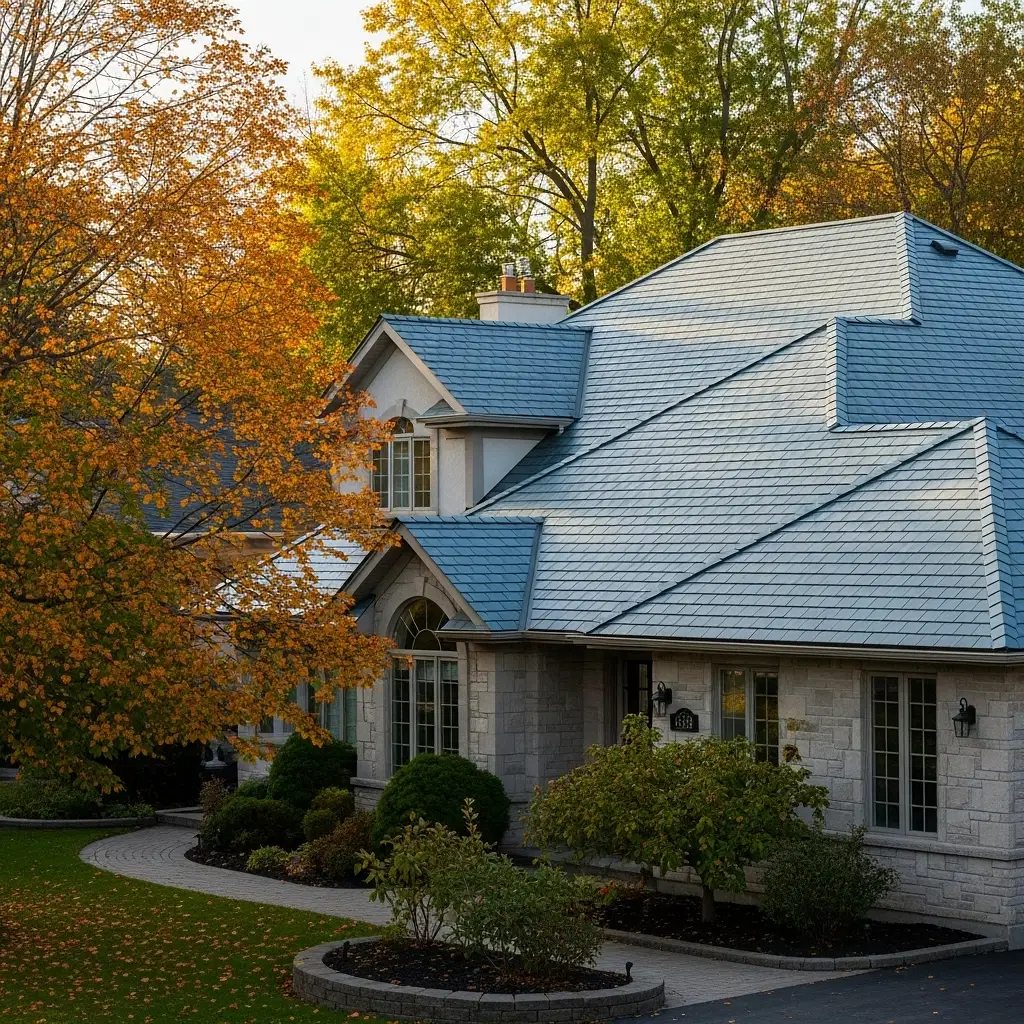
One of the most common issues homeowners face after a heavy downpour is attic water intrusion. Because large residential roofs often feature complex valleys, multiple pitches, and intricate flashing around chimneys and skylights, there are numerous potential entry points for water. High winds can lift shingles just enough to allow wind-driven rain to penetrate the underlayment, creating a slow leak that might not drip through your ceiling for weeks or even months.
Furthermore, the beautiful, mature trees that make up The Carolina Canopy are a double-edged sword. While they provide excellent shade and aesthetic appeal, they also drop heavy oak limbs during storms and shed massive amounts of pine straw throughout the year. When pine straw accumulates in your gutters and roof valleys, it traps moisture against the shingles and prevents proper drainage. During a sudden deluge, this trapped water can easily back up under the roofing materials, leading to hidden rot and interior leaks.
Early detection is critical. Homeowners should routinely check their attics for signs of moisture, such as damp insulation, water stains on the underside of the roof decking, or a musty odor. If you notice any of these warning signs, it is crucial to seek professional roof leak detection & repair immediately before the structural damage spreads.
Rapid Response and Advanced Detection Technology
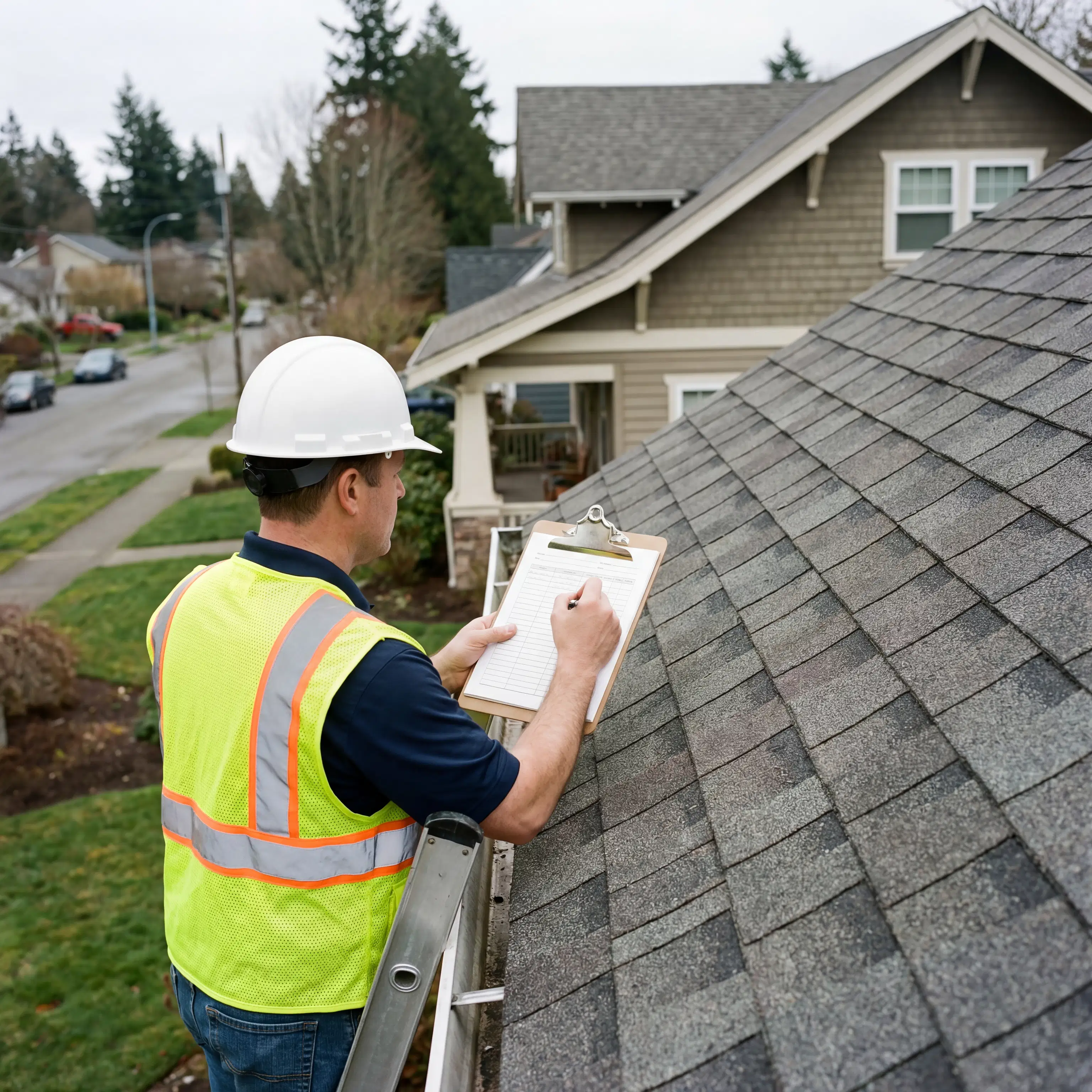
When you suspect a leak, time is of the essence. However, climbing a steep, wet roof after a storm is incredibly dangerous and should never be attempted by a homeowner. This is where modern roofing technology has completely transformed the industry. Today, the most reliable contractors utilize advanced drone-based roof inspections and AI-powered damage assessment tools to evaluate your property safely and efficiently.
By deploying high-resolution drones, professionals can capture detailed imagery of your entire roof system without ever having to set foot on the fragile shingles. This technology allows for a highly accurate roof inspection that can pinpoint microscopic hail impacts, lifted flashing, and hidden moisture pockets that the naked eye might miss. For homeowners, this means receiving a faster, safer, and incredibly precise estimate, complete with photographic evidence of the damage.
In the event of severe, sudden damage—such as a tree limb puncturing the roof deck—you need a team that can mobilize quickly to mitigate further water intrusion. Utilizing a dedicated roof emergency service ensures that your home is temporarily tarped and secured while a permanent restoration plan is developed, protecting your valuable interior assets from the elements.
Navigating Repairs and Avoiding Storm Chasers
Following a major weather event, it is unfortunately common for out-of-state storm chasers to flood the area, knocking on doors and offering high-pressure, low-quality repair services. These transient companies often lack the proper local licensing, perform subpar work, and disappear long before their shoddy craftsmanship begins to fail. For owners of large residential houses, trusting your most valuable asset to an unverified contractor is a risk you simply cannot afford to take.
It is vital to partner with a company that has deep community roots and a verified local reputation. Goodnight Roofing is fully licensed and insured to work on homes in the area, providing you with the peace of mind that comes from working with established professionals. We focus specifically on the unique needs of large residential properties, ensuring that every repair meets the highest standards of quality and durability.
Additionally, navigating the aftermath of a storm often involves dealing with complex homeowners insurance claims. The process of filing a claim, waiting for adjuster approvals, and handling supplement requests can be incredibly frustrating and time-consuming. A reputable local contractor will have extensive experience with storm damage and can help guide you through the insurance process, providing the detailed documentation and transparent communication needed to ensure your claim is handled fairly and efficiently.
Secure Your Home's First Line of Defense
Your roof is the primary shield protecting your family and your belongings from the unpredictable elements. Whether you are dealing with the immediate aftermath of a severe thunderstorm or you simply want to ensure your property is prepared for the next change in weather, proactive maintenance and rapid leak detection are your best tools for preserving your home.
Do not wait for a small, hidden leak to turn into a catastrophic interior disaster. If you suspect your roof has sustained damage, or if it has been a while since your last professional evaluation, take action today to protect your Queen City estate. Reach out to the experts at Goodnight Roofing through our contact us page to schedule a comprehensive, technology-driven inspection and secure the long-term health of your roofing system.