
That Pop-Up Storm Passed. Is Your Roof Secretly Leaking?
We’ve all been there. One minute it’s a sunny afternoon in The Queen City, and the next, a sudden pop-up storm unleashes a torrent of rain and wind. Once it passes, you look outside, see the sun emerge, and assume all is well. But what if the storm left behind a hidden problem? A small, undetected roof leak can quietly cause significant damage long before you ever see a drip from the ceiling. For Charlotte homeowners, understanding the subtle signs of a hidden leak is crucial to protecting your home’s value and your family’s safety. This guide will walk you through how to spot potential issues after a storm and when it’s time to call in the experts for a professional look.
Why a “Minor” Leak is a Major Threat
It’s easy to dismiss a small water spot in the attic or a tiny bit of discoloration on a ceiling corner. However, even the smallest amount of water intrusion can lead to serious, costly problems. By the time you notice visible evidence inside your living space, the damage behind your walls and in your attic could already be extensive.
Ignoring a potential leak can result in:
- Structural Damage: Persistent moisture can rot the wooden decking, rafters, and joists that form the skeleton of your roof and home. This compromises your home's structural integrity over time.
- Mold and Mildew Growth: A damp, dark attic is the perfect breeding ground for mold. Mold not only damages building materials but can also pose significant health risks to your family, especially those with allergies or respiratory issues.
- Reduced Insulation Efficiency: Water-soaked insulation becomes compressed and loses its ability to regulate your home's temperature. This leads to higher energy bills as your HVAC system works harder to keep you comfortable.
- Interior Damage: What starts as a small leak can eventually ruin ceilings, walls, light fixtures, and personal belongings. The cost of these interior repairs can often exceed the cost of the initial roof fix.
Proactively searching for signs of a leak after a storm is one of the most important things you can do to prevent these issues from escalating.
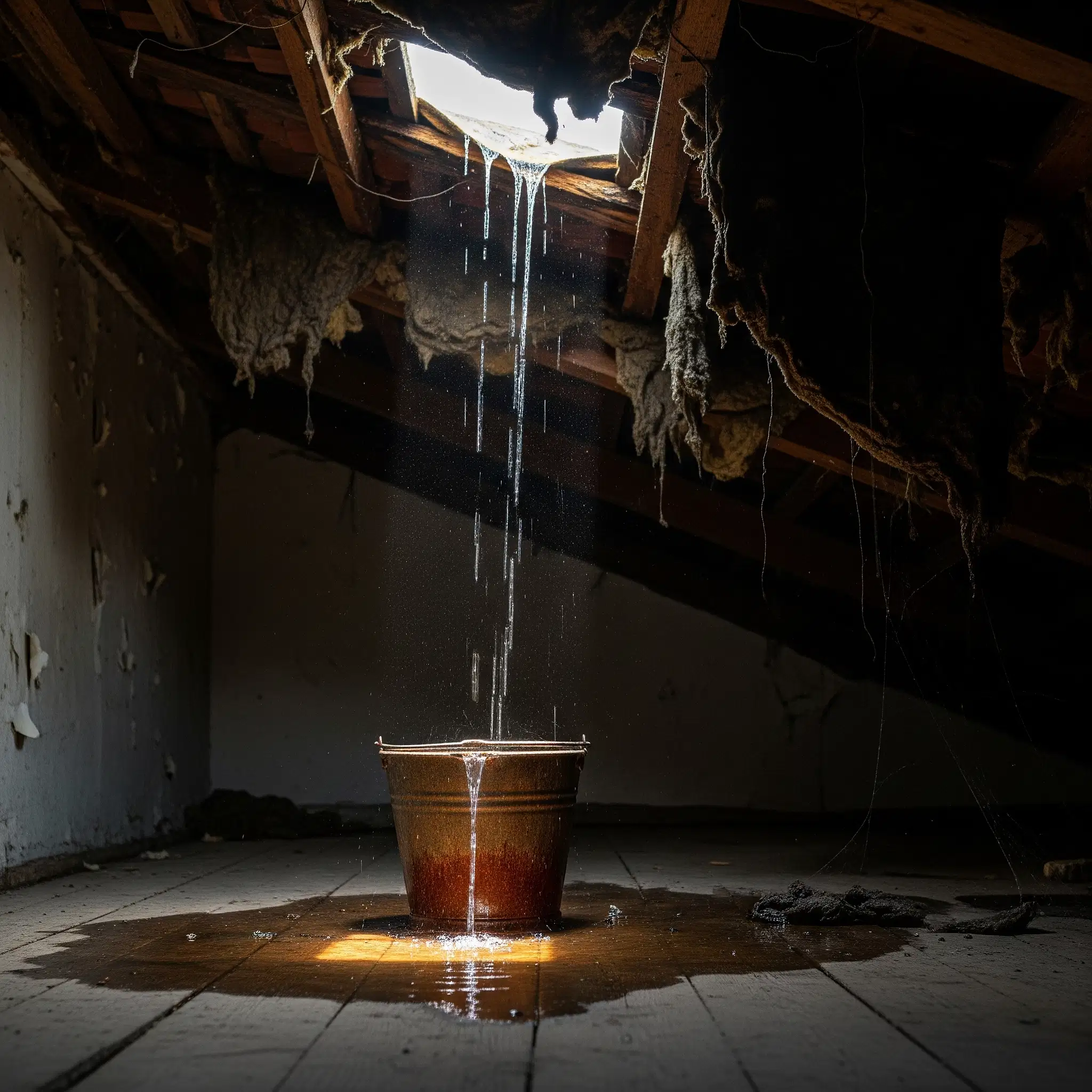
Your Post-Storm Home Inspection Checklist
After a significant storm, taking a few minutes to check for damage can save you a major headache down the road. While we never recommend getting on your roof yourself, there are several safe ways to spot trouble from the ground and inside your home.
Step 1: Check Inside Your Attic
Your attic is the first line of defense and the first place to show signs of attic water damage after heavy rain. Grab a good flashlight and look for:
- Damp or Discolored Insulation: Look for patches of insulation that are matted down, darker than the surrounding area, or feel damp to the touch.
- Dark Stains on Wood: Inspect the underside of the roof decking and the rafters for dark, water-stained streaks or spots. You might also notice rings around roofing nails.
- Musty Odors: A damp, earthy, or musty smell is a strong indicator of moisture and potential mold growth, even if you can't see the water source.
- Visible Drips or Puddles: This is the most obvious sign, but even small amounts of water are a cause for concern.
Step 2: Inspect Your Interior Ceilings and Walls
Water can travel, so check the top floor of your home for:
- Discoloration: Look for yellowish or brownish stains on ceilings or high on walls.
- Peeling or Bubbling Paint: Moisture behind the drywall can cause paint to bubble, blister, or peel away.
- Sagging Drywall: A ceiling that appears to be bowing or sagging is a serious red flag indicating a significant amount of trapped water.
Step 3: Safely Survey the Exterior (From the Ground)
Use binoculars to get a closer look at your roof from the safety of your yard. You’re looking for:
- Missing or Damaged Shingles: Look for shingles that are cracked, curled, or completely missing.
- Damaged Flashing: Pay close attention to the metal strips around chimneys, vents, and skylights. Dented, loose, or rusted flashing is a common entry point for water.
- Clogged Gutters: Gutters overflowing with leaves and debris can cause water to back up under the edge of your roof.
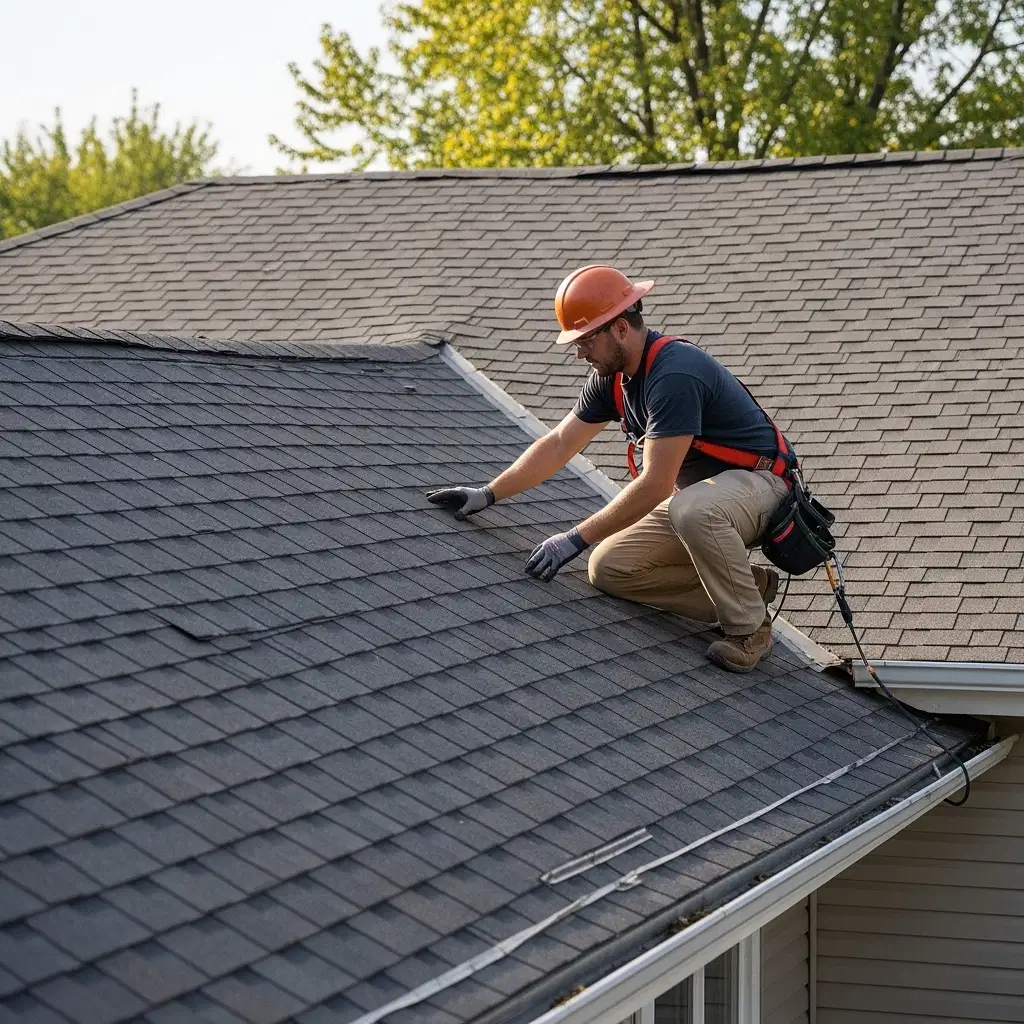
When Professional Leak Detection is Necessary
While a homeowner's inspection is a great first step, some leaks are impossible to find without professional training and tools. If you suspect a leak but can't find the source, or if you're simply not comfortable assessing the situation yourself, it's time to call for a professional roof inspection.
At Goodnight Roofing, we use advanced techniques to pinpoint the exact source of water entry without unnecessary disruption to your property. Our professional roof leak detection methods can include thermal imaging to identify temperature differences caused by trapped moisture and, when necessary, safe drone inspections to get a detailed, high-resolution view of your entire roofing system. As a fully licensed and insured company, we have the expertise to not only find the problem but to provide a lasting solution. Attempting a DIY repair on a tricky leak can often lead to more damage, which is why trusting an expert is the most reliable and cost-effective choice for your residential roofing needs.
Don’t Let a Small Drip Become a Disaster
Those Charlotte pop-up storms aren't going anywhere, but you don't have to live with the uncertainty of a potential roof leak. By being proactive and knowing what to look for, you can catch problems early. Remember to check your attic and ceilings after a storm, and do a quick visual scan of your roof from the ground.
If you spot any of the warning signs mentioned above or simply want the peace of mind that comes with a professional assessment, don't hesitate to reach out. The team at Goodnight Roofing is here to help homeowners across the Charlotte area protect their homes. Contact us today to schedule a comprehensive inspection or to learn more about our expert Roof Leak Detection & Repair and general Roof Repairs services.